
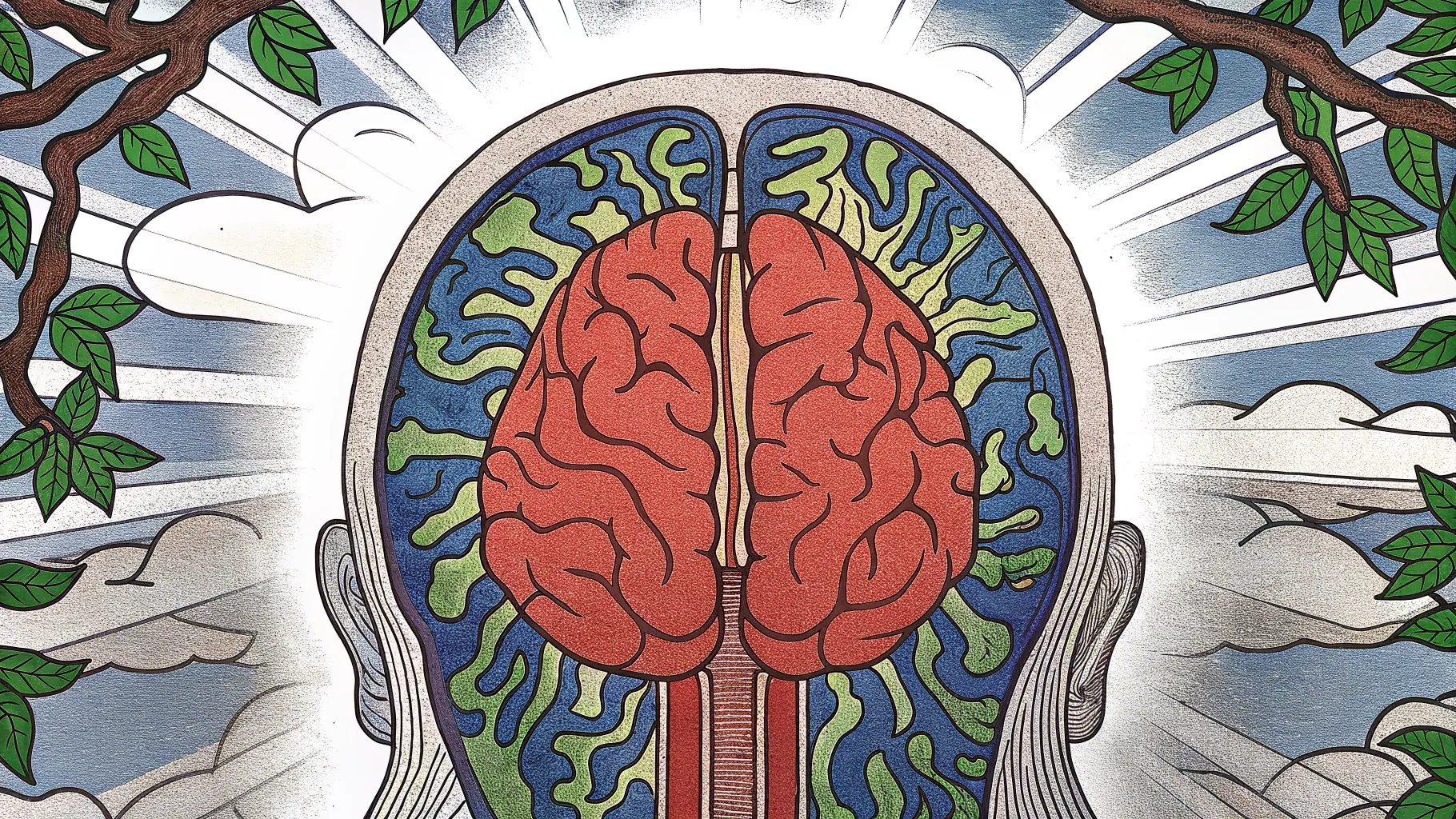
Ketamine therapy has emerged as a groundbreaking approach to treating major depression, post-traumatic stress disorder (PTSD), suicidality, and other psychiatric conditions. This article dives deeply into the science behind ketamine, its mechanisms of action in the brain, clinical applications, and the potential risks associated with its use. Understanding ketamine therapy not only requires familiarity with its immediate effects but also an appreciation for how it induces lasting changes in neural circuits through neuroplasticity.
In this comprehensive exploration, we will cover ketamine’s relationship to similar compounds, its historical and contemporary use in clinical and recreational settings, the neurobiological underpinnings of its antidepressant effects, and practical considerations such as dosing, routes of administration, and the phenomenon known as the “K-hole.” Whether you or a loved one are considering ketamine therapy or you are simply curious about this complex drug, this article aims to provide a clear, science-based understanding of ketamine’s multifaceted role in mental health.
Table of Contents
- Understanding Ketamine: A Drug with Dual Identities
- Depression and Current Treatments: The Need for New Approaches
- Preclinical Models and the Science of Ketamine’s Antidepressant Effects
- Ketamine and the Opioid System: A Critical Interaction
- Neural Circuits and Brain Waves: How Ketamine Alters Mood and Consciousness
- Dosing, Routes of Administration, and the “K-Hole” Phenomenon
- Benefits and Limitations of Ketamine Therapy
- FAQ: Common Questions About Ketamine Therapy
- Conclusion: The Promise and Complexity of Ketamine Therapy
Understanding Ketamine: A Drug with Dual Identities
Ketamine is a fascinating compound with a dual identity: it is both a clinically valuable medication and a commonly abused recreational drug. Chemically and functionally, ketamine shares many similarities with phencyclidine (PCP), also known as Angel Dust. Both are dissociative anesthetics that produce altered states of consciousness by blocking specific receptors in the brain. Historically, PCP was notorious for causing violent and unpredictable behavior, and ketamine was lumped into the same category of drugs of abuse.
Today, ketamine is recognized for its remarkable clinical benefits, especially in treating depression and suicidality, as well as PTSD and other psychiatric disorders. However, ketamine’s potential for abuse remains significant, especially outside the controlled context of medical treatment. Recreational use often involves higher doses or different routes of administration, which can lead to dangerous states such as the “K-hole,” a dissociative state bordering on anesthesia.
The Clinical vs. Recreational Landscape
In clinical settings, ketamine is administered under strict supervision, typically via intravenous or intramuscular injection at precise dosages designed to elicit therapeutic effects without causing full anesthesia. In contrast, recreational use often involves oral or sublingual ingestion with less control over dosage and purity, increasing the risk of adverse effects and addiction.
The rise of ketamine clinics and telehealth prescriptions has blurred the lines between clinical and recreational use, highlighting the importance of understanding the nuances of ketamine therapy, including dosage, delivery methods, and safety considerations.
Depression and Current Treatments: The Need for New Approaches
To appreciate ketamine therapy, it’s essential to understand the broader context of depression treatment. For decades, depression was predominantly treated based on the monoamine hypothesis, which posited that deficiencies in neurotransmitters like serotonin, dopamine, and norepinephrine caused depressive symptoms. This led to the development of selective serotonin reuptake inhibitors (SSRIs) such as Prozac and serotonin-norepinephrine reuptake inhibitors (SNRIs), as well as drugs like Wellbutrin (bupropion) that target dopamine and norepinephrine.
While these drugs have helped many, they come with limitations:
- Only about 40% of patients respond adequately.
- Side effects such as changes in appetite, libido, and sleep can be intolerable.
- Therapeutic effects often take weeks to months to manifest.
Given these challenges, there has been an urgent need for faster-acting and more effective treatments for depression, especially for individuals with treatment-resistant depression.
The Emergence of Ketamine as a Rapid-Acting Antidepressant
Ketamine’s rapid onset of antidepressant effects—often within hours—has revolutionized the understanding of depression treatment. Unlike SSRIs, ketamine can reduce suicidal ideation and depressive symptoms almost immediately, providing a crucial lifeline for patients at high risk.
However, ketamine is not a miracle cure. Its antidepressant effects tend to be short-lived after a single administration, necessitating repeated treatments to maintain benefits. This introduces new questions about how ketamine works and how to optimize its use safely.
Preclinical Models and the Science of Ketamine’s Antidepressant Effects
Scientific understanding of ketamine’s antidepressant properties began with preclinical studies using animal models. One widely used paradigm is the “learned helplessness” model, where rodents are placed in water and observed for how long they struggle to stay afloat before giving up. This model simulates aspects of depression such as hopelessness and lack of motivation.
Researchers found that subanesthetic doses of ketamine increased the time animals persisted in swimming, suggesting an antidepressant-like effect. This was surprising because ketamine blocks the NMDA receptor, a key player in neuroplasticity—the brain’s ability to change and adapt—which was thought to be essential for overcoming depression.
Neuroplasticity and the NMDA Receptor
The NMDA receptor is a glutamate receptor critical for synaptic plasticity and learning. It acts as an “AND gate” that requires both glutamate binding and electrical activity to activate. Activation of NMDA receptors leads to gene expression changes, protein synthesis, and strengthening of synaptic connections.
Ketamine’s blockade of NMDA receptors on inhibitory neurons reduces inhibition on excitatory neurons, resulting in increased excitatory “bursting” activity. This paradoxical increase in excitatory signaling promotes neuroplasticity in brain circuits involved in mood regulation, providing a biological basis for ketamine’s antidepressant effects.
Brain-Derived Neurotrophic Factor (BDNF): The Fertilizer for Neuroplasticity
BDNF is a growth factor crucial for neuroplasticity, synaptic growth, and neuronal survival. Ketamine stimulates the release of BDNF, which binds to its receptor TRKB and triggers a cascade of intracellular events promoting synaptic strengthening and growth.
Studies show that animals lacking BDNF do not experience ketamine’s antidepressant effects, and humans with certain BDNF gene variants respond poorly to ketamine therapy. This underscores BDNF’s central role in ketamine-induced neuroplasticity and mood improvement.
Ketamine and the Opioid System: A Critical Interaction
Beyond its effects on glutamate and NMDA receptors, ketamine also interacts with the brain’s endogenous opioid system. This system includes receptors such as the mu and kappa opioid receptors, which modulate pain, mood, and consciousness.
Ketamine is metabolized into hydroxy-norketamine (HNK), which has a high affinity for opioid receptors. Clinical studies blocking opioid receptors with naltrexone reveal that ketamine’s antidepressant effects are significantly diminished, indicating that activation of the opioid system is essential for ketamine’s therapeutic action.
Interestingly, patients still experience ketamine’s dissociative and euphoric effects even when opioid receptors are blocked, suggesting that the immediate subjective effects and the longer-term antidepressant benefits involve different neurochemical pathways.
Neural Circuits and Brain Waves: How Ketamine Alters Mood and Consciousness
Ketamine modulates specific neural circuits involved in mood regulation. Notably, it reduces inhibitory signals from the habenula—a brain region linked to disappointment and negative affect—to the mesolimbic reward pathway, which releases dopamine and supports motivation and pleasure.
This disinhibition enhances the reward pathway’s responsiveness, making it easier for individuals to engage in positive behaviors and experience improved mood. Ketamine also strengthens connectivity between the reward pathway and the frontal cortex, which is involved in strategic thinking and goal-directed behavior.
Ketamine induces distinct brain wave patterns, abolishing alpha rhythms associated with relaxed wakefulness and unveiling theta rhythms linked to dreamlike, dissociative states. This shift in brain activity underlies the characteristic dissociation and altered self-perception reported by users.
Dosing, Routes of Administration, and the “K-Hole” Phenomenon
Ketamine can be administered via multiple routes, including intravenous (IV) injection, intramuscular (IM) injection, oral ingestion, sublingual absorption, nasal spray, and even rectal administration. Each method differs in bioavailability and onset of effects.
- IV/IM Injection: Most common in clinical settings, with precise dosing (typically 0.5 mg/kg) and rapid onset.
- Oral/Sublingual: Lower bioavailability (~25-35%), requiring higher doses to achieve similar effects.
- Nasal Spray: Used clinically with moderate bioavailability, convenient but sometimes variable absorption.
- Rectal: Bypasses liver metabolism, potentially reducing liver strain in frequent users.
The “K-hole” refers to a state of profound dissociation and near-anesthesia caused by high doses of ketamine, often in recreational use. This state can be dangerous, leading to loss of consciousness, respiratory depression, and risk of injury or death, especially when combined with other depressants like alcohol.
Due to individual variability in metabolism and sensitivity, ketamine dosing requires careful titration, especially outside clinical supervision.
R, S, and Racemic Ketamine: What’s the Difference?
Ketamine exists in different stereoisomeric forms: R-ketamine, S-ketamine, and the racemic mixture (R/S ketamine). Clinical evidence suggests:
- The racemic mixture (R/S ketamine) is generally most potent and effective for depression.
- S-ketamine is more commonly prescribed today and produces less dissociation with good antidepressant effects.
- R-ketamine alone appears less effective based on current clinical trials.
Despite these findings, individual experiences vary, and ongoing research continues to clarify the nuances of each form.
Microdosing Ketamine: What Does the Evidence Say?
While microdosing—taking sub-perceptual doses of psychoactive substances—has gained popularity for drugs like psilocybin, there is currently no published clinical evidence supporting the effectiveness of microdosing ketamine for depression. All proven antidepressant effects have been observed at doses sufficient to induce mild dissociation and neuroplastic changes.
Benefits and Limitations of Ketamine Therapy
Ketamine therapy offers several unique advantages:
- Rapid relief: Effects often occur within hours, essential for acute suicidality.
- Efficacy in treatment-resistant cases: Helps patients unresponsive to traditional antidepressants.
- Neuroplasticity induction: Promotes adaptive brain circuit rewiring for durable benefits.
- Broad applicability: Effective for bipolar depression, OCD, PTSD, and some addictions.
However, ketamine therapy also has important limitations and risks:
- Short duration: Single treatments provide temporary relief, requiring repeated dosing.
- Potential for abuse and addiction: Recreational use can lead to dependency and harmful behaviors.
- Dissociative side effects: Can be distressing or disorienting for some patients.
- Seizure risk: Particularly in individuals prone to seizures, due to altered inhibitory-excitatory balance.
- Need for clinical supervision: Safety and efficacy depend on professional oversight.
Importantly, ketamine therapy is most effective when combined with behavioral interventions and lifestyle changes that reinforce positive neural circuit engagement. These include regular exercise, social interaction, healthy sleep, and exposure to natural light.
FAQ: Common Questions About Ketamine Therapy
What is ketamine therapy?
Ketamine therapy involves the controlled administration of ketamine, typically at subanesthetic doses, to treat depression, PTSD, and other psychiatric conditions by inducing rapid antidepressant effects through neuroplasticity and opioid system modulation.
How does ketamine relieve depression?
Ketamine blocks NMDA receptors on inhibitory neurons, leading to increased excitatory activity and burst firing in mood-related brain circuits. This triggers the release of brain-derived neurotrophic factor (BDNF), promoting neuroplasticity and rewiring circuits to improve mood. It also activates the endogenous opioid system, contributing to sustained antidepressant effects.
What are the routes of ketamine administration?
Common routes include intravenous and intramuscular injections (clinical use), oral ingestion, sublingual absorption, nasal spray, and rectal administration. Each has different bioavailability and onset times, affecting dosing and effects.
What is a “K-hole”?
A “K-hole” is a dissociative state caused by high doses of ketamine, resulting in near-anesthesia, loss of bodily awareness, and potential danger. It is typically associated with recreational use and is not a desired or safe clinical effect.
Is ketamine addictive?
Ketamine has a potential for abuse and addiction, especially when used recreationally or outside medical supervision. Clinical use minimizes this risk through controlled dosing and monitoring.
Can I microdose ketamine for depression?
Currently, there is no scientific evidence supporting the effectiveness of ketamine microdosing for depression. Therapeutic effects have only been demonstrated at doses that induce mild dissociative states.
What is the difference between R-, S-, and racemic ketamine?
Racemic ketamine (a mixture of R- and S- forms) is generally the most effective for depression. S-ketamine is commonly prescribed and less dissociative, while R-ketamine alone appears less effective based on current research.
Conclusion: The Promise and Complexity of Ketamine Therapy
Ketamine therapy represents a paradigm shift in the treatment of depression, PTSD, and other psychiatric disorders. Its rapid onset of antidepressant effects and ability to induce neuroplasticity offer hope for individuals who have struggled with traditional treatments. Understanding ketamine requires a multi-level perspective—from molecular receptor interactions to brain circuit changes to behavioral outcomes.
While ketamine’s clinical benefits are impressive, the therapy is not without risks. Careful dosing, route selection, and clinical oversight are essential to maximize benefits and minimize harm. Moreover, ketamine therapy should be viewed as one component of a comprehensive treatment plan that includes behavioral and lifestyle modifications to reinforce lasting recovery.
As research continues to unravel ketamine’s mechanisms and optimize its use, patients and clinicians alike can look forward to more refined, effective, and safer applications of this remarkable drug. The future of ketamine therapy is bright, but it requires respect for its complexity and a commitment to integrating science, medicine, and patient-centered care.
💡 Want Blogs Like This for Your Wellness Business?
Educational content like this doesn’t just inform—it builds trust, boosts SEO, and positions your business as the authority in holistic health.
At Evergreen Wellness Marketing, we specialize in writing high-converting, research-backed blog content tailored for wellness brands like yours. Whether you're a naturopath, health coach, med spa, or herbalist—we craft content that speaks to your audience and drives bookings.
Ready to grow your online presence with blogs that engage and convert?
👉 Let’s write your next article together: DM us “BLOGS” to get started, or Learn more at https://evergreenwellnessmarketing.com


