
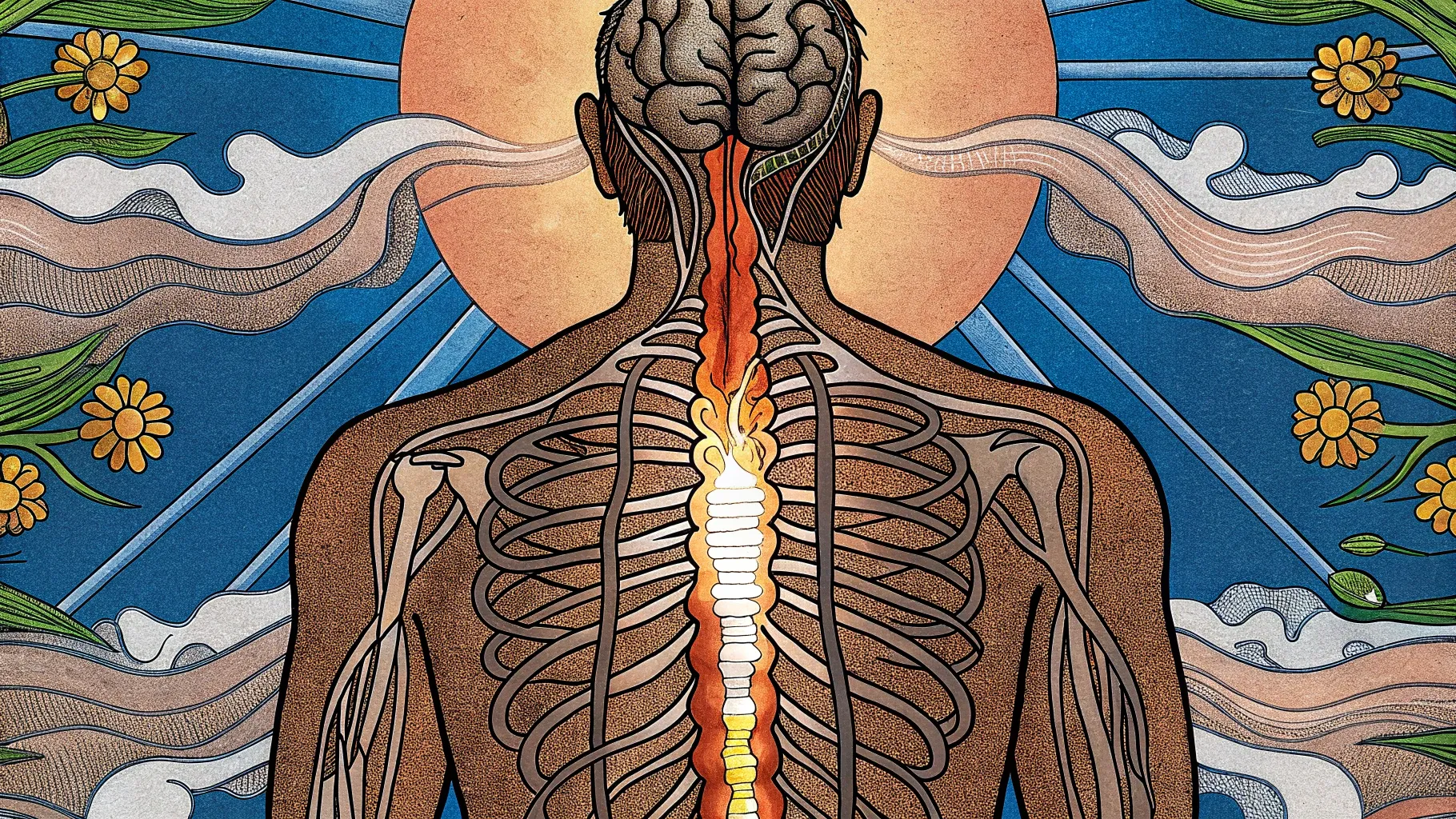
When it comes to health and wellness, understanding the role of the nervous system and the spine is crucial. Many people think chiropractors focus solely on bones or muscles, but the truth is far more profound. This article breaks down the fundamentals of chiropractic care, emphasizing the nervous system’s central role in regulating and coordinating every function in the body. Whether you’re new to chiropractic or just curious about how your body works, these basics will shed light on how structure impacts function and overall health.
Table of Contents
- The Central Nervous System: The Body’s Master Controller
- The Nervous System and Stress Response
- Physical, Chemical, and Emotional Stress: The Three Pillars of Health
- Why Pain Is Not a Reliable Indicator of Health
- The Brain, Mental Health, and Spinal Alignment
- When Should You Get Adjusted?
- Monitoring Progress and Maintaining Health
- Conclusion: The Power of Chiropractic Care
The Central Nervous System: The Body’s Master Controller
The spine isn’t just a collection of bones—it’s a protective bony case for the most sensitive system in your body: the central nervous system (CNS). This system controls everything from hormone regulation (like estrogen and testosterone) to digestion, blood pressure, immune function, and tissue production. The brain, though it weighs only about one kilogram, consumes 90% of the body’s oxygen and produces cerebral spinal fluid (CSF), which nourishes the spinal cord through a central canal.
Our bodies are designed with a specific spinal alignment where the head sits directly over the pelvis. This alignment allows the spine to absorb stress effectively without damage. The spine has natural curves—these curves are essential for proper function and fluid drainage. When these curves are lost or reversed, especially in the neck, it can compress the brain and disrupt the flow of CSF, leading to inflammation and pressure buildup in the skull.
Why Spinal Curves Matter
Loss or reversal of the neck’s natural curve can cause the brain to become compressed, which is often visible as inflammation along the sagittal suture (the top middle of the skull). This condition is common in individuals with neurological issues such as autism, Parkinson’s, dementia, or brain fog. Fortunately, restoring even a small portion of this curve can relieve tenderness and improve brain function quickly.
The Nervous System and Stress Response
Your nervous system has two primary modes, or "switches": sympathetic (fight or flight) and parasympathetic (regeneration). When the body experiences physical, chemical, or emotional stress, it shifts into the sympathetic mode, increasing blood pressure, cholesterol, and blood sugar while decreasing bowel function and sleep quality. This is a natural response designed to help you survive immediate threats.
However, chronic stress can lead to what is often misdiagnosed as diseases like type 2 diabetes or high blood pressure. These conditions are actually the body’s way of responding to prolonged stress, not defects or permanent damage. Treating these symptoms with drugs without addressing the underlying nervous system imbalance ignores the body’s natural ability to self-heal and adapt.
Chiropractic Care: Not Just Bones and Muscles
Chiropractors are not doctors of bones or muscles—they are doctors of the nervous system. By assessing and correcting the structure of the spine, chiropractors remove interference to the nervous system, allowing the body to function optimally. This includes regulating blood pressure, immune response, digestion, and much more.
Physical, Chemical, and Emotional Stress: The Three Pillars of Health
To truly understand health, one must consider physical, chemical, and emotional stressors. Physical stress can be identified through diagnostic tools like X-rays, which reveal structural deviations such as loss of curve, reversed curve, or degeneration in the spine. Chemical stress includes poor diet, toxins, and dehydration, while emotional stress relates to mental health challenges like anxiety and depression.
For example, asthma is often misunderstood as a lung problem, but it’s actually related to nerve control of lung function, diaphragm movement, and even the body's hydration state. Dehydration leads to mucus buildup in the lungs, which aggravates asthma symptoms. Addressing these underlying causes through chiropractic care and lifestyle changes can significantly improve lung function.
Arthritis and Spinal Degeneration: Reversible Conditions
Contrary to popular belief, arthritis and spinal degeneration are not irreversible damage. They are the body's attempt to stabilize unstable spinal segments caused by trauma or poor posture. With consistent chiropractic care and exercises, these conditions can be improved or even reversed over time.
- Symptom relief often occurs after 8-10 adjustments.
- Structural improvements can be documented with post-treatment X-rays after about 30 adjustments.
- Severe cases, like grade two or three arthritis, may take years or even decades to correct fully.
Why Pain Is Not a Reliable Indicator of Health
Most people believe that pain signals a problem, but in reality, 90% of the nerves exiting the spine do not carry pain fibers. Pain is more like a fire alarm—an alarm system that can be triggered for many reasons, not necessarily indicating the severity of an issue. This is why many patients feel fine but have underlying structural or nervous system problems that can lead to serious health issues later.
Chiropractic care focuses on objective analysis rather than waiting for symptoms to appear. Regular assessments and adjustments keep the nervous system free from interference, allowing the body to maintain optimal function and regenerate effectively.
The Brain, Mental Health, and Spinal Alignment
Mental health conditions such as anxiety, depression, schizophrenia, and attention deficit disorder are linked to the brain’s frontal lobe and cerebellum. The cerebellum, which controls balance and coordination, receives input from the position and motion of the vertebrae. When spinal alignment is off—such as with loss of curve or reversed curve—the cerebellum receives abnormal signals, which can contribute to mood disorders and cognitive dysfunction.
Correcting spinal alignment can change the sensory input to the brain, improve fluid flow, and reprogram brain function, often resulting in immediate improvements in mental health symptoms.
When Should You Get Adjusted?
Many parents ask when they should bring their children in for chiropractic care. The answer is simple: don’t wait for illness or symptoms. Early and regular chiropractic care helps maintain health and prevent problems down the road.
For adults, frequency depends on lifestyle and stress levels:
- High-stress individuals (e.g., athletes, parents with many responsibilities) may benefit from multiple visits per week indefinitely.
- Low-stress individuals with healthy lifestyles may only need a few visits per year.
Chiropractors don’t rely on how you feel today; instead, they assess objective measures of health, such as spinal structure, sleep quality, and bowel function. Two to three healthy bowel movements per day and good sleep are among the best indicators of regeneration and nervous system health.
Monitoring Progress and Maintaining Health
Regular X-rays help track spinal improvements and ensure chiropractic care is effective. Whether it takes weeks or years, these images provide tangible evidence of regeneration, including disc health and reduction of bone spurs. This approach ensures that care is personalized and effective, rather than symptom-driven.
Conclusion: The Power of Chiropractic Care
Chiropractic care is a powerful tool for restoring and maintaining health by focusing on the nervous system and spinal structure. It goes beyond symptom management to address the root causes of dysfunction caused by physical, chemical, and emotional stress. With consistent care, patients can experience improved function, reduced inflammation, better mental health, and overall vitality.
Remember, health is about more than the absence of pain—it’s about optimal nervous system function and the body’s ability to regenerate and adapt. By understanding these basics, you can take control of your health and live a vibrant, balanced life.
💡 Want Blogs Like This for Your Wellness Business?
Educational content like this doesn’t just inform—it builds trust, boosts SEO, and positions your business as the authority in holistic health.
At Evergreen Wellness Marketing, we specialize in writing high-converting, research-backed blog content tailored for wellness brands like yours. Whether you're a naturopath, health coach, med spa, or herbalist—we craft content that speaks to your audience and drives bookings.
Ready to grow your online presence with blogs that engage and convert?
👉 Let’s write your next article together: DM us “BLOGS” to get started, or Learn more at https://evergreenwellnessmarketing.com


