
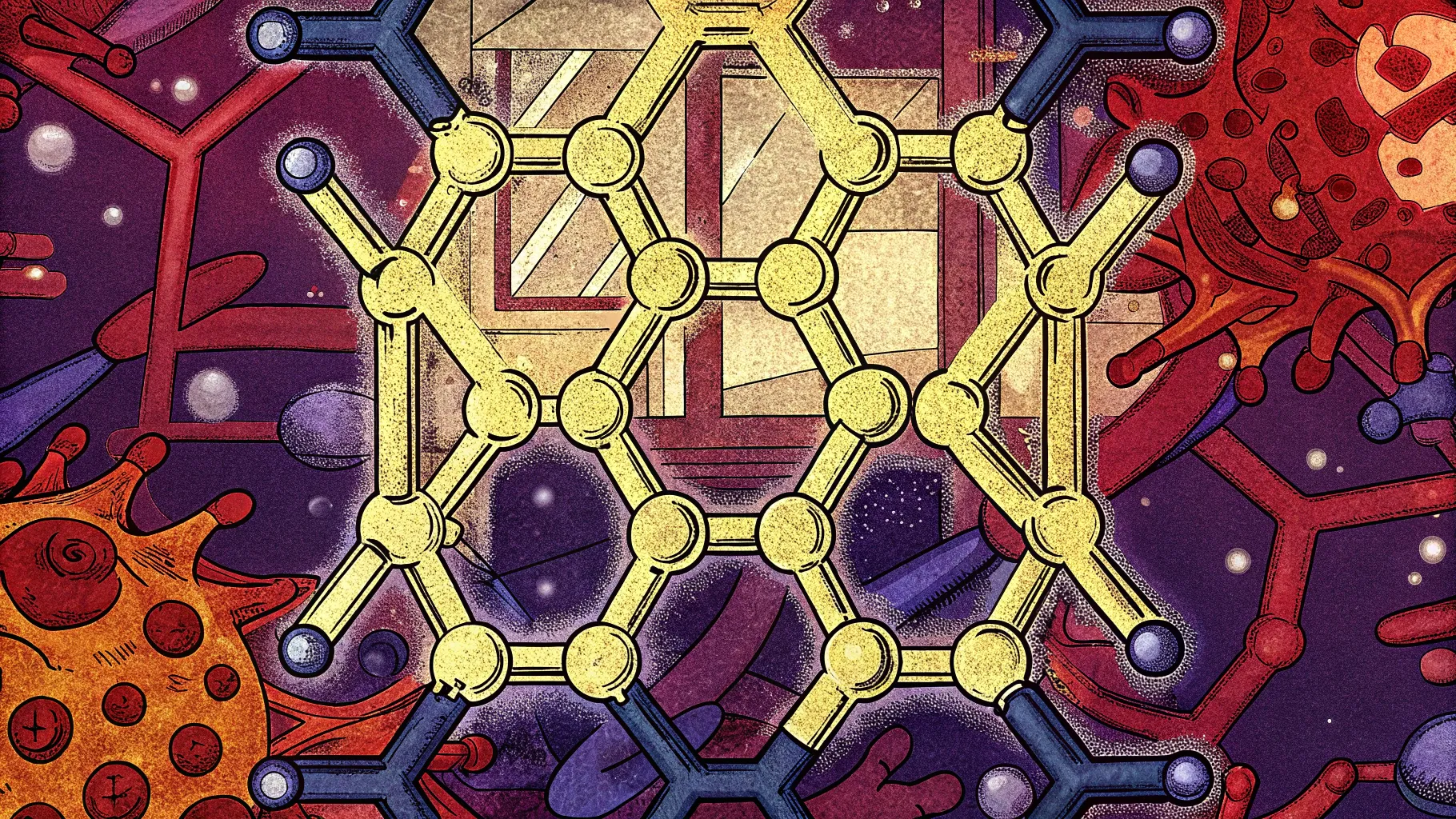
In the world of integrative and functional medicine, nicotinamide adenine dinucleotide, commonly known as NAD+, has been gaining significant attention. Dr. Paul Anderson, an expert in integrative medicine, sheds light on this crucial nutrient, explaining what NAD+ is, how it works, its applications, and important safety considerations. This article dives deep into the essentials of NAD+ and its precursors, offering clarity on why so many clinics recommend NAD+ therapy and how it might benefit your health.
Table of Contents
- What Is NAD+?
- Why Is NAD+ Important?
- How Do You Take NAD+? IV or Oral?
- What Conditions Benefit from NAD+ Therapy?
- Is NAD+ Safe? What About Cancer Concerns?
- Example NAD+ Protocols
- Frequently Asked Questions About NAD+
- Conclusion
What Is NAD+?
NAD+ stands for nicotinamide adenine dinucleotide. It is a complex molecule derived from vitamin B3 (niacin), specifically from the form called niacinamide (or nicotinamide). Unlike simple vitamin B3 supplements, NAD+ is a larger, more intricate molecule that plays a pivotal role within our cells.
To understand NAD+, think of it as a cofactor—a helper molecule—that supports many cellular processes. It is essential in the biochemical reactions that allow mitochondria, the powerhouses of our cells, to produce energy efficiently. NAD+ is part of a family of molecules that facilitate energy production, DNA repair, and other vital functions.
Why Is NAD+ Important?
Mitochondria generate energy by converting nutrients into ATP (adenosine triphosphate), the fuel your body uses for all activities. NAD+ is critical in this energy conversion process. When NAD+ levels are low, mitochondrial function slows down, leading to fatigue, cognitive sluggishness, or other health problems.
Increasing NAD+ levels can help “wake up” your mitochondria, boosting cellular energy and improving overall function. This is particularly valuable for people recovering from chronic illnesses, post-viral syndromes like long COVID, addiction recovery, and even athletes seeking enhanced recovery.
How Do You Take NAD+? IV or Oral?
One common question is whether you need to inject NAD+ or if oral supplements are effective. NAD+ is a large molecule and is poorly absorbed when taken by mouth because it breaks down in the digestive system. For this reason, many clinics offer NAD+ intravenously (IV) or via injections (subcutaneous or intramuscular) to deliver it directly into the bloodstream for immediate effect.
That said, there are oral precursors to NAD+ that your body can convert efficiently:
- Nicotinamide Riboside (NR)
- Nicotinamide Mononucleotide (NMN)
- Niacinamide (plain vitamin B3 form)
While plain niacinamide is the most basic and cheapest form, NR and NMN are more advanced precursors that raise NAD+ levels more effectively. Oral supplementation with these precursors can produce noticeable energy boosts, although the effect is usually more subtle and slower compared to IV NAD+ therapy.
What Conditions Benefit from NAD+ Therapy?
NAD+ therapy is often used in conditions linked to mitochondrial dysfunction or cellular energy deficits, including:
- Chronic fatigue syndrome
- Fibromyalgia
- Long COVID and other post-viral syndromes
- Recovery from surgery or chronic illness
- Addiction recovery programs
- Athletic recovery and performance enhancement
In addiction treatment, NAD+ is used at higher doses under specialized supervision. The goal is to help repair mitochondrial damage caused by toxins and substances while supporting the brain’s recovery process.
Is NAD+ Safe? What About Cancer Concerns?
Safety is always a priority when considering any therapy. NAD+ and its precursors are generally safe when used appropriately. However, there is some scientific debate about whether NAD+ supplementation could potentially influence cancer cell growth. This concern arises because cancer cells also depend on NAD+ for energy and replication.
Dr. Anderson advises that NAD+ therapy should be carefully managed in patients with active cancer or those in remission. Typically, NAD+ is used for a limited time to achieve therapeutic goals, followed by a reduction in dosage or a switch to maintenance with simpler molecules like niacinamide.
Most nutrients, including NAD+ precursors, do not worsen cancer when used responsibly. Still, it’s crucial to work closely with your healthcare provider to tailor the treatment to your individual needs and health status.
Example NAD+ Protocols
Protocols vary depending on the condition and patient needs, but here are some general approaches:
- Short-term intensive therapy: Used in addiction centers or acute recovery, often involving daily IV or injection treatments for several weeks.
- Post-viral or chronic illness recovery: May start with daily doses and then taper to five days per week as symptoms improve.
- Long-term maintenance: After initial recovery, patients might reduce NAD+ therapy to a few days per week or switch to oral niacinamide supplements for ongoing support.
Frequently Asked Questions About NAD+
Do I have to get NAD+ injections or IV therapy to see benefits?
While IV or injection therapy delivers NAD+ directly and can produce immediate effects, oral supplements like nicotinamide riboside (NR) or nicotinamide mononucleotide (NMN) are effective precursors that your body can convert to NAD+. Oral forms tend to work more slowly and subtly but are a convenient alternative.
Can NAD+ therapy help with brain fog or fatigue?
Yes. By supporting mitochondrial function and boosting cellular energy production, NAD+ can help alleviate symptoms like brain fog, fatigue, and low energy, especially in conditions like long COVID or chronic fatigue syndrome.
Is NAD+ safe to use if I have cancer or a history of cancer?
There is ongoing research and some debate about NAD+ in the context of cancer. Generally, short-term use under medical supervision is considered safe. However, long-term or high-dose use should be approached cautiously, and always in consultation with your healthcare provider.
What are the differences between NAD+, NR, and NMN?
NAD+ is the full molecule that directly supports cellular energy. NR (nicotinamide riboside) and NMN (nicotinamide mononucleotide) are precursors that your body converts into NAD+. NR and NMN are more bioavailable than simple niacinamide and can effectively raise NAD+ levels when taken orally.
Can NAD+ therapy help with addiction recovery?
Yes. NAD+ therapy is used in specialized addiction centers to help repair mitochondrial damage caused by substance abuse. It is often combined with other treatments and can support brain function and detoxification processes during recovery.
Conclusion
Nicotinamide adenine dinucleotide (NAD+) is a vital molecule that plays a central role in cellular energy production and overall health. Whether delivered intravenously or supported through oral precursors like NR and NMN, boosting NAD+ levels can help revitalize mitochondrial function, improve energy, and assist recovery from various chronic conditions.
While NAD+ therapy offers exciting benefits, it is important to approach it thoughtfully and under professional guidance, especially if you have complex health conditions like cancer. With the right protocols, NAD+ can be a powerful tool in integrative medicine to help your cells—and you—get back online and functioning at your best.
For those curious about NAD+ and integrative health, staying informed and consulting knowledgeable practitioners can unlock the full potential of this remarkable nutrient.
💡 Want Blogs Like This for Your Wellness Business?
Educational content like this doesn’t just inform—it builds trust, boosts SEO, and positions your business as the authority in holistic health.
At Evergreen Wellness Marketing, we specialize in writing high-converting, research-backed blog content tailored for wellness brands like yours. Whether you're a naturopath, health coach, med spa, or herbalist—we craft content that speaks to your audience and drives bookings.
Ready to grow your online presence with blogs that engage and convert?
👉 Let’s write your next article together: DM us “BLOGS” to get started, or Learn more at https://evergreenwellnessmarketing.com


